

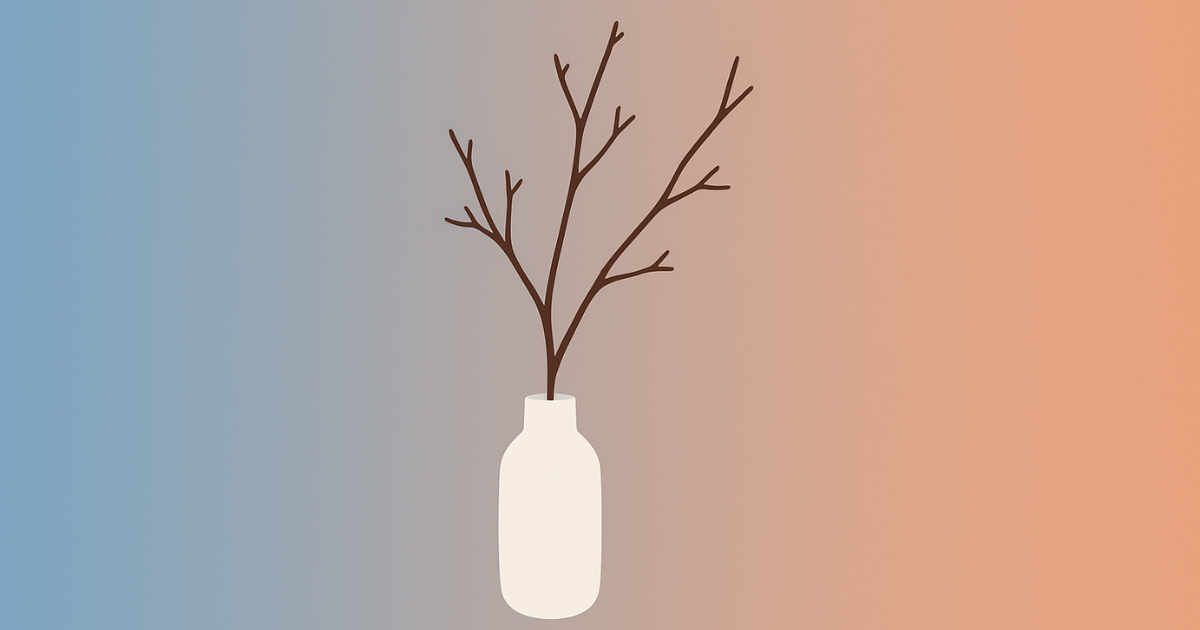
Ever stumbled across the word pyntekvister and wondered what on earth it is? You’re not alone. In this article, I’ll take you on the journey of discovering what pyntekvister means, how it can enrich your space and mindset, and how you can easily bring it into your own life. Whether you’re into home décor, mindful living, or just curious—this is for you.
What is “pyntekvister”?
Let’s break it down in everyday language.
The term pyntekvister comes from Scandinavian roots: “pynte” meaning to decorate, and “kvister” meaning twigs or branches. In short, it refers to natural branches or twigs used as decorative items in the home.
But here’s the thing: it’s more than just tossing some sticks into a vase. It carries meaning, context, and aesthetic value. Pyntekvister represent a beautiful balance between tradition and modern simplicity—nature turned into art.
So when you read or hear pyntekvister, think: natural, simple, meaningful decoration. These unassuming branch-decor pieces pack more power than you’d expect, turning ordinary spaces into warm, reflective environments.
Why are pyntekvister becoming popular?
Here are a few good reasons people can’t get enough of them.
1. Connection to nature
In a world where we spend more time indoors and in front of screens, bringing in natural elements helps ground us. Pyntekvister invite the outdoors in—bare branches, subtle texture, organic shape. They whisper: “Here’s a little nature, right in your living room.”
2. Minimalism and mindfulness
These pieces often fit minimalist aesthetics. They aren’t flashy, they’re subtle. But that’s the beauty: simplicity gives room for reflection. Pyntekvister embody the Scandinavian principles of simplicity, nature, seasonal living, and mindfulness. If you’re drawn to quieter, meaningful décor, this is for you.
3. Flexible and seasonal
Because branches change with the seasons—buds, leaves, berries, bare wood—pyntekvister let you mark time. They create a living calendar in your home, one that doesn’t rely on numbers but on textures, colors, and forms. That’s pretty neat: you change your décor as the seasons change.
4. Craft and authenticity
Hands-on, natural materials and simple forms feel authentic. Often these items are handmade or sourced from nature, so they carry story and personality. For many people, that authenticity is a breath of fresh air compared to mass-produced décor.
The Cultural Meaning Behind pyntekvister
Let’s go a little deeper into what makes these decorative twigs so meaningful.
A. Symbolism of the seasons
Because pyntekvister involve natural branches, they reflect the changing seasons:
- Spring → twigs with buds, fresh green, renewal
- Summer → leafy branches, lushness, vitality
- Autumn → dried leaves, berries, change, letting go
- Winter → bare branches, stillness, endurance
These aren’t just pretty; they remind us of cycles, change, impermanence—even growth. Each branch tells a quiet story about nature’s rhythm and our own.
B. Tradition meets modernity
Pyntekvister may sound rustic or folk, but they’re also finding a place in modern interiors. You can use them in a sleek apartment or a cozy countryside home—they adapt beautifully to both.
C. Mindful practice
Sometimes decorating isn’t just about looks—it’s also about presence. When you choose your branches, arrange them, and care for them, you’re doing something mindful. Creating and displaying pyntekvister can be a small but meaningful ritual that reconnects you with nature and calm.
How to Use pyntekvister in Your Home
Okay, now let’s get practical. Here’s how you can bring pyntekvister into different parts of your home.
Step 1 – Choose your branches
- Pick something that catches your eye: maybe a curved branch, maybe one with interesting bark.
- Think seasonal—buds for spring, berries for autumn, bare twigs for winter.
- You can forage (if allowed) or buy dried branches. The key is natural – see the texture, feel the wood.
- Remember, you’re aiming for a simple, genuine look—not something overly polished or artificial.
Step 2 – Choose your container
- A tall narrow vase can let the branches stand tall and show off their shape.
- You could use a wooden container, ceramic, or glass—whatever fits your style. Keep it subtle so the focus stays on the branches.
- Make sure the branch fits—height matters. If it leans too much, it won’t feel balanced.
Step 3 – Create the arrangement
- Start with one statement branch, then a few supporting ones around it.
- Consider height and visual balance: variety works best, but don’t over-crowd.
- Think about your vantage point: Will people see it from one side? Two sides?
- Let it look natural—branches lean, they curve, they aren’t symmetrical. That’s part of the charm.
Step 4 – Place it intentionally
- On a console table near the entryway for a welcoming touch.
- On a side table in your living room to fill vertical space.
- In a dining room as a simple centerpiece.
- In a minimalist bedroom to add texture without clutter.
Step 5 – Maintain and refresh
- If you used fresh branches, they may dry out. That’s okay. As they dry, they still hold character.
- Every few months, consider replacing or rearranging to reflect the season or your mood.
- Use this as a ritual—when a new season begins, refresh your pyntekvister. It adds meaning and rhythm to your home.
Common Mistakes to Avoid
Because even simple décor can go wrong if not handled well.
- Don’t overload. One big branch plus a few smaller ones is better than a crowded mess.
- Avoid artificial materials if you’re going for the authentic feel. Plastic loses the natural charm.
- Watch scale. A tiny branch in a huge vase might look lost, and a massive one can overwhelm.
- Match your space. Modern rooms benefit from clean, minimal branches, while rustic rooms suit textured, organic ones.
- Don’t ignore lighting. Branches cast lovely shadows and highlight textures under soft light. Proper lighting brings pyntekvister to life.
A Personal Touch
I remember when I first tried using a branch décor piece in my living room. I picked a birch branch from a local park (with permission, of course) and placed it in a vintage glass bottle. At first, it felt funny—it was just a stick! But over the weeks, I noticed how the light changed across the branch, how its bark texture caught the glow of the lamp, and how shadows danced on the wall behind it.
It became more than decoration—it became a little story of nature inside my home. When I swapped it for bare winter branches, it felt like a quiet celebration of the season. That’s the magic of pyntekvister.
Frequently Asked Questions
Q: Does this only work in Scandinavian-style homes?
A: Not at all. While the concept originates from Scandinavian aesthetics, you can adapt pyntekvister to any décor. Simplicity and nature are universal.
Q: Where can I find pyntekvister?
A: You can gather branches responsibly outdoors or purchase dried ones from florists or home décor stores. Look for interesting textures or natural curves.
Q: Do I need to change them every season?
A: It’s not a must, but refreshing your arrangement helps reflect seasonal changes. It keeps your home décor alive and evolving.
Q: Is pyntekvister eco-friendly?
A: Absolutely. Using natural, responsibly sourced branches, reusing containers, and avoiding plastic make this one of the most sustainable décor trends out there.
Why You Should Try pyntekvister
Here’s why this trend is worth a shot:
- Adds natural beauty and warmth to your space
- Encourages mindfulness and simplicity
- Reflects the changing seasons
- Fits almost any interior style
- Eco-friendly and affordable
- Offers a sense of calm, balance, and connection to nature
Final Thoughts
If you’ve been looking for a décor idea that’s simple, thoughtful, and connected to nature, pyntekvister might be exactly what you need. It’s not about flashy trends or expensive designs—it’s about finding beauty in the ordinary.
Imagine walking into your room and seeing a single branch reaching upward, light catching its curve, shadows gently moving across the wall. That quiet presence can bring peace to your space and your mind.
So go ahead—find a branch, choose a container, and make your own pyntekvister. Let it remind you to slow down, notice the details, and celebrate simplicity. Sometimes, the smallest things—like a simple twig—can tell the biggest stories.
