

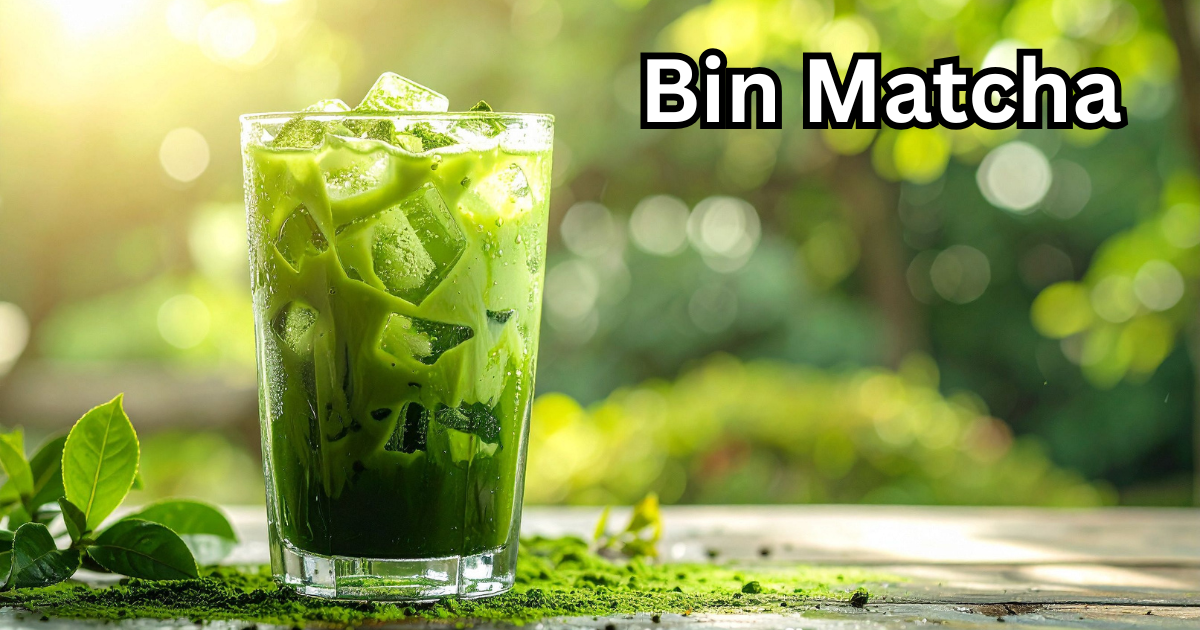
If you’re a fan of green tea—or just curious about trying something new—let me introduce you to bin matcha. You’ve probably heard of regular matcha: that bright-green powdered tea from Japan. But bin matcha? It’s a little different. Friendlier. Maybe even easier to love.
In this post, we’ll explore what bin matcha is, why it matters, how to prepare it, and how you can use it in your everyday drinks and food. Ready to upgrade your tea game? Let’s dive in.
What Is Bin Matcha?
At its simplest, bin matcha is powdered green tea—just like traditional matcha—but it’s been stored or aged in a special way that gives it a softer, smoother taste. The word “bin” hints at “storage” or “aging,” and that’s exactly what sets it apart.
Here’s what makes it unique:
- It starts with the same kind of tea leaves used for matcha. These leaves are shade-grown to enhance their flavor and then stone-ground into a fine powder.
- The difference lies in what happens next: the powder is stored or aged under specific conditions to mellow the flavor.
- The result? A cup that tastes less grassy and more balanced—think earthy, nutty, and comforting instead of sharp or bitter.
So, in short: bin matcha is the easy-going cousin of ceremonial matcha—less intense, more approachable.
Why Choose Bin Matcha?
You might be wondering: Why should I choose bin matcha over regular matcha? Great question. Here are a few solid reasons.
1. A smoother, more approachable flavor
If you’ve tried matcha before and found it a bit too strong or bitter, bin matcha might just be your perfect match. Its mellow, roasted notes make it incredibly easy to enjoy—no need to add extra sugar or milk unless you want to.
2. Versatility in use
Because it’s gentler in taste, bin matcha can be used in a wider range of drinks and recipes. You can whisk it into lattes, blend it into smoothies, or even bake with it. It’s the kind of tea that fits anywhere.
3. Easier on your wallet
High-grade ceremonial matcha can be pricey. Bin matcha, on the other hand, tends to be more budget-friendly without compromising on quality. It’s perfect for everyday sipping.
4. Packed with natural benefits
Despite the mellow flavor, bin matcha still offers the same antioxidant punch as regular matcha. It’s rich in nutrients like catechins and L-theanine, which can help you feel calm and focused. Plus, it gives you a gentle energy boost without the caffeine crash you might get from coffee.
Bin Matcha vs Regular Matcha
Here’s a quick side-by-side look at how bin matcha compares with traditional matcha:
| Feature | Regular Matcha | Bin Matcha |
|---|---|---|
| Flavor | Bright, grassy, bold | Mellow, smooth, nutty |
| Aroma | Fresh, vegetal | Warm, earthy |
| Best Use | Traditional tea ceremonies | Everyday drinks & cooking |
| Price Range | Higher | More affordable |
| Ease of Preparation | Requires more care | Very forgiving |
In essence, bin matcha isn’t a downgrade—it’s a lifestyle choice. It’s the kind of matcha you can enjoy daily without worrying about ceremony or perfection.
How to Prepare Bin Matcha
Making bin matcha is simple, relaxing, and even a little therapeutic. Here’s how to get it right every time.
What you’ll need:
- ½ to 1 teaspoon of bin matcha powder
- 2 ounces (about 60 ml) of hot water (70-80 °C / 160-175 °F)
- A whisk (traditional bamboo whisk, milk frother, or small hand whisk)
- A bowl or wide mug
- Optional: a small sieve for sifting the powder
Step-by-step:
- Sift your matcha powder into the bowl. This prevents clumps and ensures a smooth, creamy texture.
- Add a small amount of hot water—not boiling, or it will make the matcha bitter.
- Whisk briskly in a “W” or “M” motion until you see fine bubbles and a light foam forming on top.
- Taste it. If it’s too strong, add a little more water or steamed milk.
- Enjoy immediately. Matcha tastes best fresh—don’t let it sit for long.
Pro Tips:
- Use filtered or spring water for a cleaner taste.
- If you’re using bamboo whisk, rinse and dry it upright afterward to keep its shape.
- Pre-warm your bowl or mug before whisking to maintain the temperature.
Creative Ways to Enjoy Bin Matcha
The real fun starts when you get creative. Bin matcha isn’t just for tea—it’s for everything from morning drinks to desserts.
☕ Hot Drinks
- Classic Bin Matcha Tea: Whisk it the traditional way for a smooth, earthy flavor.
- Bin Matcha Latte: Combine with steamed oat, almond, or dairy milk. Add honey or vanilla if you like.
- Spiced Matcha: Mix in cinnamon or nutmeg for a cozy, fall-style drink.
🧊 Cold Drinks
- Iced Bin Matcha Latte: Make a paste with a little hot water, pour over ice, and add milk.
- Matcha Smoothie: Blend with banana, yogurt, spinach, or almond milk for a nutritious boost.
- Matcha Lemonade: Whisk matcha with water and lemon juice for a refreshing twist.
🍪 Baking & Desserts
- Add bin matcha to pancake or waffle batter for a fun green tint and light flavor.
- Stir a teaspoon into cookie or muffin batter for an earthy, sweet touch.
- Mix it into white chocolate bark or frosting for a subtle tea aroma.
- Or make matcha ice cream—simple, creamy, and perfect for summer.
🍜 Savory Experiments
Believe it or not, matcha isn’t limited to sweets. A pinch of bin matcha in your salad dressing or even homemade pasta dough adds a unique touch. Its smooth flavor works beautifully with sesame, soy, and ginger.
Storing Your Bin Matcha
Even though bin matcha is “aged,” once you open the container, it needs care to stay fresh.
- Seal it tightly. Keep air and moisture out.
- Store it in a cool, dark place. Light and heat can dull its flavor and color.
- Use a dry spoon. Moisture causes clumping and spoilage.
- Consume within 6–12 months for the best taste and aroma.
- If you live in a hot climate, refrigeration is fine—just let it return to room temperature before opening to avoid condensation.
Health Benefits of Bin Matcha
Let’s be honest—bin matcha doesn’t just taste good. It’s also full of wellness perks.
- Rich in antioxidants: Helps neutralize free radicals and supports overall health.
- Boosts metabolism: May help gently support fat oxidation when paired with exercise.
- Enhances focus and calm: Thanks to L-theanine, which promotes relaxation while caffeine provides alertness.
- Supports heart health: Regular green tea drinkers often enjoy better cardiovascular markers.
- Good for the skin: Its antioxidant content may help with complexion and clarity.
The best part? You get all these benefits while enjoying a calm, mindful ritual. Just remember—bin matcha is a supplement to, not a replacement for, a balanced lifestyle.
Common Questions About Bin Matcha
Q: Is bin matcha lower quality than ceremonial matcha?
A: Not at all. It’s simply processed and stored differently to make it smoother and more versatile.
Q: Can I use bin matcha for baking and cooking?
A: Absolutely! In fact, its mellow flavor makes it perfect for mixing into all kinds of recipes.
Q: How much caffeine does bin matcha have?
A: Roughly the same as other matcha types—about 60–70 mg per teaspoon. Enough for a gentle lift, not a buzz.
Q: What’s the ideal water temperature for bin matcha?
A: Around 70–80 °C (160–175 °F). Anything hotter can bring out bitterness.
Q: How often should I drink it?
A: Many people enjoy one serving per day, though you can safely have two to three if your body tolerates caffeine well.
My Personal Experience with Bin Matcha
When I first tried ceremonial matcha, I loved its color but found the taste a bit too “green.” Then, I stumbled upon bin matcha—and it completely changed the game. I started using it every morning for lattes and even added it to my baking.
One day, I mixed bin matcha into my pancake batter, and the result was incredible—fluffy green pancakes with a soft, earthy taste. It felt like a weekend treat without being too sweet. Another time, I whisked it into cold almond milk for an afternoon pick-me-up. Smooth, creamy, and refreshing.
That’s what I love about bin matcha—it’s not intimidating. It’s easy to make, flexible to use, and delicious no matter how you prepare it.
Choosing the Right Bin Matcha
When shopping for bin matcha, keep these tips in mind:
- Look for vibrant color. Bright green means fresh and high quality.
- Check texture. It should feel silky, not grainy.
- Read the label. Look for clear information about the origin and grade.
- Avoid dull or brownish powders. That’s a sign it’s past its prime.
- Packaging matters. Choose airtight containers that block light and air.
Remember—good bin matcha doesn’t have to be expensive. Focus on freshness and authenticity over fancy packaging.
Incorporating Bin Matcha Into Your Lifestyle
Here are a few fun ways to make bin matcha part of your daily routine:
- Start your morning with a bin matcha latte instead of coffee.
- Keep a small jar at work for quick energy without the crash.
- Use it post-workout in a matcha protein smoothie.
- End your day with a matcha honey mask for glowing skin (yes, it works!).
- Host a “matcha moment” with friends—brew together and unwind.
Little rituals like these make healthy habits stick.
Sustainability & Ethical Sourcing
Many producers of bin matcha are now focusing on sustainable farming. Shade-growing tea plants protects the soil and biodiversity, while hand-picking leaves ensures minimal waste. When you buy from brands that prioritize sustainability, you’re supporting both the planet and traditional farmers.
So next time you grab a tin of bin matcha, think of it as more than tea—it’s a connection between your cup and the hands that cultivated it.
Final Thoughts
If you’ve been curious about matcha but unsure where to start, bin matcha is your perfect entry point. It’s smoother, easier to use, and ideal for everyday life. Whether you drink it straight, blend it into smoothies, or bake it into treats, you’ll love how flexible and flavorful it is.
Tea is more than just a beverage—it’s a moment of calm in a busy day. And bin matcha brings that calm beautifully, one whisk at a time.
So go ahead—grab some bin matcha, whisk it up, and enjoy the gentle, earthy comfort it brings. You might just find your new favorite daily ritual.
